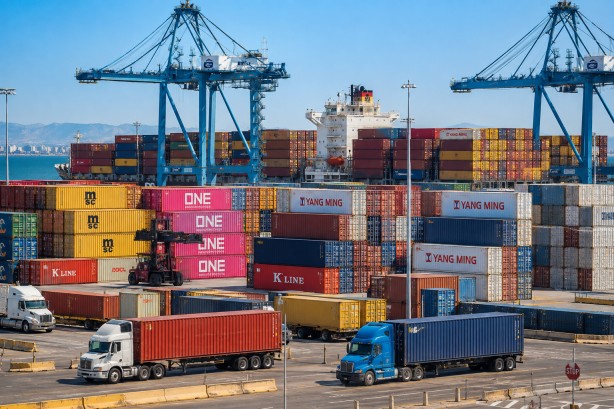
The United States government has issued refunds totaling about $100 billion in tariffs that were collected under the trade policies implemented during President Donald Trump’s administration. This action follows a Supreme Court decision that found a substantial portion of these tariffs to be unlawful. The refunded amount represents roughly 60% of the $165 billion that was collected before the court’s ruling.
These tariffs, which targeted imported goods, were a key element of Trump’s trade strategy. The administration aimed to bolster domestic manufacturing, negotiate more favorable trade deals, and enhance government revenue through these measures. However, the legal setback led to the decision to return the collected duties to the businesses that were affected by them.
Despite the refunds, the federal budget deficit has not shown signs of shrinking. It has instead continued to expand, reaching a significant $1.37 trillion in the first nine months of the current fiscal year. This ongoing deficit adds another layer of complexity to the financial landscape as the government navigates the economic challenges ahead.
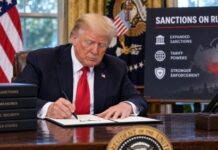
In response to concerns over products associated with forced labor, the Trump administration recently announced a new series of tariffs. These range from 10% to 12.5% and affect imports from over 80 countries including major trade partners such as India, China, the United Kingdom, Canada, Mexico, Australia, and the European Union. This move is part of the administration’s continued focus on addressing labor issues tied to global imports.
The latest round of tariffs has already sparked legal opposition. A coalition comprised of 25 U.S. states is actively challenging these measures, arguing that they unlawfully replace the tariffs that the Supreme Court previously invalidated. This legal battle underscores the ongoing tensions and debates surrounding trade policy and its implications for international economic relations.