
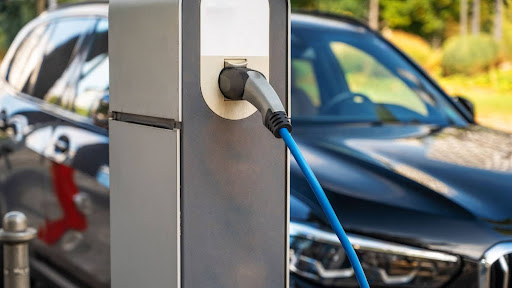
There is a simple reason why electric vehicle searches have risen 20 percent in the past three weeks: $3.90 gas. The national average price of a gallon of gasoline is at its highest point in close to three years, and the experience of paying significantly more than expected at the pump is prompting many American drivers to investigate whether electric vehicles could be a better financial choice. The cause of the price spike — the Iran conflict and its disruption of global oil markets — has added geopolitical urgency to an already compelling economic conversation.
Iran’s closure of the Strait of Hormuz following US and Israeli military strikes has been the central factor in the global oil price increase. That strait is the passage for roughly a fifth of world oil supply, and its disruption has moved crude markets sharply higher. American consumers have absorbed the impact in the form of elevated pump prices that show no sign of declining quickly.
CarEdge’s Justin Fischer said the EV search surge began within 48 hours of the conflict’s start, confirming that gas price sensitivity is a powerful and immediate driver of consumer behavior. Edmunds’ Jessica Caldwell agreed, noting that gasoline is unique among consumer expenses for its visibility and repetition — drivers encounter the cost at every fill-up, making it a constant reminder of the economics of their transportation choices.
The used EV market is generating significant interest from buyers priced out of new electric vehicles. Pre-owned models from Tesla, Nissan, and Chevrolet are now available below $25,000, offering solid value for buyers motivated by current fuel economics. Caldwell predicted these vehicles would sell quickly, describing the current used EV landscape as better than it has ever been for cost-conscious buyers.
Hybrids are also expected to see a surge. Toyota’s lineup of hybrid vehicles offers a lower-risk path toward reduced fuel dependence for buyers worried about charging access. But the longer-term picture for full EV adoption in the US remains uncertain, with policy reversals, automaker retreats, and infrastructure gaps creating a fragmented and unpredictable market landscape despite the strong demand signal currently being generated by high gas prices.