
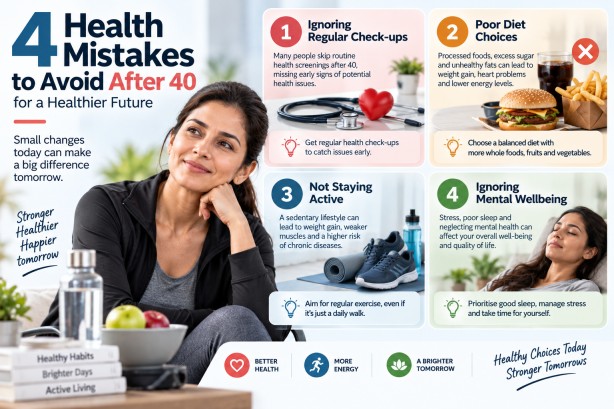
Reaching the age of 40 often prompts individuals to reconsider their approach to health and wellness. This milestone can bring shifts in metabolism, muscle mass, daily activities, and responsibilities, all of which might lead to overlooking healthy habits. Instead of waiting for health issues to arise, adopting sustainable routines and prioritizing preventive care can contribute significantly to long-term well-being. It’s crucial to avoid common pitfalls that many tend to fall into after turning 40.
One such mistake is adhering to extreme or fad diets. These quick-fix solutions might promise rapid weight loss but are usually difficult to maintain in the long run. Eliminating entire food groups can lead to deficiencies in essential nutrients such as protein, fiber, vitamins, and minerals. A more effective approach is to adopt a balanced diet that includes a variety of vegetables, fruits, whole grains, protein-rich foods, and healthy fats. Such sustainable dietary changes are more beneficial than temporary restrictive measures.
Another common error is becoming too sedentary. Busy work schedules and prolonged periods of sitting can significantly decrease daily physical activity. As individuals age, maintaining muscle strength becomes increasingly vital, making regular exercise an integral part of a healthy lifestyle. Combining aerobic exercises like walking with strength training can be beneficial. Simple actions like taking short movement breaks throughout the day or opting for stairs when possible can help counteract prolonged inactivity.
Ignoring recommended health screenings is another oversight that should be avoided. Feeling healthy is not a reason to skip preventive healthcare, as some conditions can develop without obvious symptoms. It’s important to adhere to age- and risk-appropriate check-ups and screenings. Depending on factors like age, sex, family history, and individual risk, healthcare professionals may advise screenings for conditions such as certain cancers, high blood pressure, diabetes, and high cholesterol. Consulting with a doctor to determine the appropriate tests and their frequency is essential.
Lastly, it’s important not to succumb to the belief that it’s too late to make changes. This mindset can hinder efforts to improve health, as people might think that past unhealthy habits have already caused irreversible damage. However, it’s never too late to adopt positive changes. Setting achievable goals—such as incorporating regular walks, enhancing dietary habits, improving sleep quality, reducing tobacco or alcohol consumption, or starting strength training—can facilitate the development of healthier routines. Rather than attempting to overhaul one’s lifestyle overnight, focusing on small, consistent changes is more likely to result in lasting habits. Embracing these strategies in your 40s can offer a valuable opportunity to reinforce healthy practices, countering the assumption that lifestyle changes are an inevitable part of aging. Prioritizing balanced nutrition, staying active, ensuring adequate sleep, and keeping up with health checks can pave the way for sustained well-being in the years ahead.