Around 20 countries, including major G7 economies, will meet in Washington this week to discuss forming a strategic alliance on critical minerals and rare earths. Participants include the US, UK, EU members, Japan, Australia, New Zealand, India, South Korea, Mexico, and others.
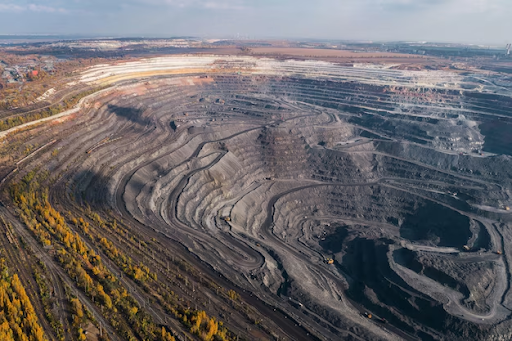
The discussions aim to strengthen supply chains outside China for minerals that are vital to clean energy, defence, electronics, and advanced manufacturing. These resources are essential for products such as electric vehicles, smartphones, wind turbines, and military equipment.
Australia has announced plans to establish a A$1.2bn strategic reserve of critical minerals, including antimony and gallium, to protect against supply disruptions. This follows earlier export restrictions imposed by China and reflects growing concern among partner nations over heavy dependence on a single supplier.
A key issue at the summit will be proposals for the US to guarantee minimum prices for critical minerals to encourage investment. Although Washington has reportedly stepped back from this idea, countries like Australia say they will continue building reserves and diversifying supply sources.
The meeting, convened by US Secretary of State Marco Rubio, is part of broader efforts to deepen cooperation among allied nations and reduce geopolitical risks in mineral supply chains. If successful, the talks may conclude with a joint statement outlining shared commitments on investment, pricing support, and long-term supply security.
The European Union is also expected to raise concerns over new US steel-related tariffs, arguing they conflict with recent trade understandings and undermine trust among partners.