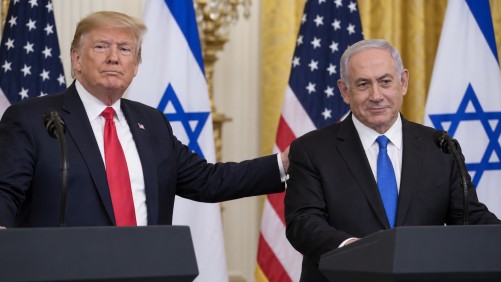
As Israel prepares for its critical elections on October 27, former US President Donald Trump has publicly endorsed Israeli Prime Minister Benjamin Netanyahu. Trump’s endorsement, made via his Truth Social platform, underscores the importance of Israel’s leadership in the context of regional security issues, particularly concerning Iran.
Trump praised Netanyahu for his strong leadership and close cooperation with the United States, emphasizing that a change in leadership could increase the burden on Washington to address Iran-related security challenges. This endorsement introduces a significant international dimension to the Israeli election campaign, highlighting the close ties between Netanyahu and the US administration during Trump’s tenure.
Netanyahu, however, faces significant political challenges domestically, particularly regarding Israel’s security policies and its handling of the ongoing conflict in Gaza. The war in Gaza, which began in October 2023, has been met with international criticism due to its severe humanitarian impact. According to Palestinian authorities, the conflict has resulted in tens of thousands of deaths and extensive destruction of civilian infrastructure.
Adding to Netanyahu’s challenges, the International Criminal Court issued arrest warrants in November 2024 for him and former Israeli Defence Minister Yoav Gallant, citing alleged war crimes and crimes against humanity in Gaza. Furthermore, the International Court of Justice is currently hearing a case brought by South Africa, alleging that Israel violated the Genocide Convention.
Trump’s endorsement of Netanyahu serves to remind Israeli voters of the former Prime Minister’s previous international backing and the potential implications of shifting political alliances. As the election date approaches, the political landscape remains tense, with significant attention on how these developments might influence voter decisions.