
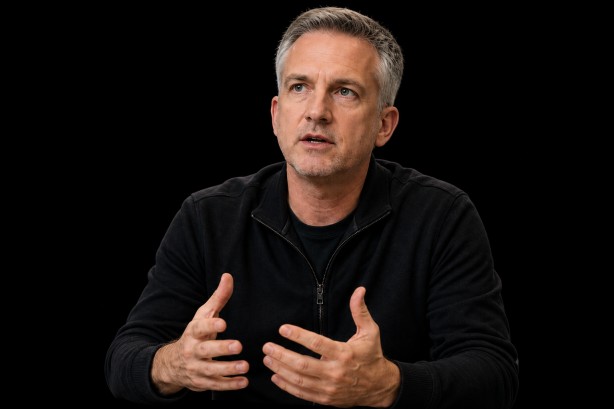
Bill Simmons, the founder of The Ringer, is facing criticism after promoting ChatGPT, an AI tool, on his podcast. During the show, he referred to ChatGPT as the AI sponsor and discussed its analysis of a question concerning former NBA player Russell Westbrook’s most notable game. This endorsement has sparked debate amid growing concerns that artificial intelligence might undermine the value of content created by humans, especially in the writing industry.
The controversy is particularly striking given Simmons’ past endeavors. He is well-known for establishing Grantland in 2011, a sports and culture website famed for its long-form journalism. Grantland gained a reputation for allowing talented writers to cultivate their unique styles while exploring in-depth narratives. However, with The Ringer, which Simmons founded later, the focus has gradually shifted towards podcasts and media personalities, causing some critics to argue that this marks a departure from the writing-centric ethos that characterized Grantland.
In addition to promoting ChatGPT on his podcast, Simmons has engaged with AI-generated content by asking the tool to mimic the writing style of iconic film critic Roger Ebert. This has reportedly led to unease among some of his colleagues, reflecting a broader industry debate on the ethics and implications of using AI to replicate the voices and works of established writers.
The discussion around Simmons’ promotion of AI technology comes at a time when media companies are grappling with financial challenges, frequent layoffs, and evolving consumer habits. Critics argue that Simmons’ support for AI appears contradictory, particularly given his history of championing ambitious writing. Many creative professionals are worried that AI could threaten their livelihoods by decreasing the demand for original content.
Thus, Simmons finds himself in an unusual predicament. Having built his career around fostering a distinctive human voice, he is now advocating for a technology that many fear could diminish the value of such individuality in the media landscape.