
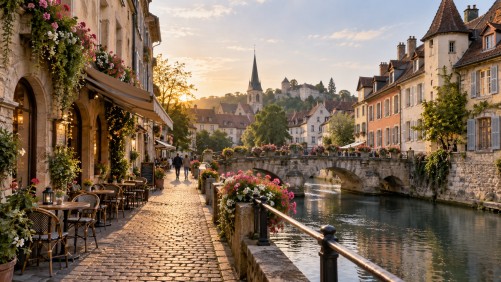
Though Europe is renowned for its iconic destinations, some of the continent’s most delightful urban escapes are tucked away from the busiest tourist trails. These lesser-known cities, from Italy’s Renaissance gems to Scandinavia’s vibrant architectural wonders, provide rich culture, history, and culinary delights without the hustle and bustle of Europe’s major capitals.
Ferrara, located in Italy, is a perfect retreat for those seeking a more leisurely Italian experience. The city’s historic avenues, adorned with Renaissance architecture, and its bike-friendly environment invite visitors to explore at a leisurely pace. The exquisite Palazzo dei Diamanti is a must-see, and the quiet streets offer a chance to savor traditional Emilia-Romagna cuisine, such as the pumpkin-filled cappellacci.
In Germany, Hanover is celebrated for its lush green spaces and cultural landmarks. The city boasts attractions like the Sprengel Museum, the grand Herrenhausen Gardens, and the expansive Eilenriede urban forest. With a comprehensive network of cycling paths, it appeals to those who enjoy discovering cities on bicycles.
Venturing to Portugal, Loulé presents a unique experience inland from the Algarve coast. Known for its traditional crafts and artistic heritage, the historic town offers visitors the chance to explore workshops focused on weaving, watchmaking, and musical instruments, showcasing a quieter aspect of southern Portugal.
For enthusiasts of history, Arras in northern France merges stunning architecture with a distinctive subterranean feature. The city’s historic squares, belfry, and ancient tunnels offer ample exploration opportunities, while its cafés and independent shops make it ideal for a relaxed weekend getaway.
Meanwhile, in Spain, León is notable for its remarkable cathedral and breathtaking stained-glass windows. The city also features Romanesque architecture and historic churches, providing a tranquil setting compared to Spain’s more popular tourist locales. These cities illustrate that a European vacation doesn’t have to involve crowded capitals; smaller destinations can deliver equally unforgettable experiences, often allowing for a deeper appreciation of their history, cuisine, and unique local charm.