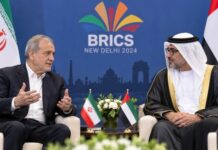
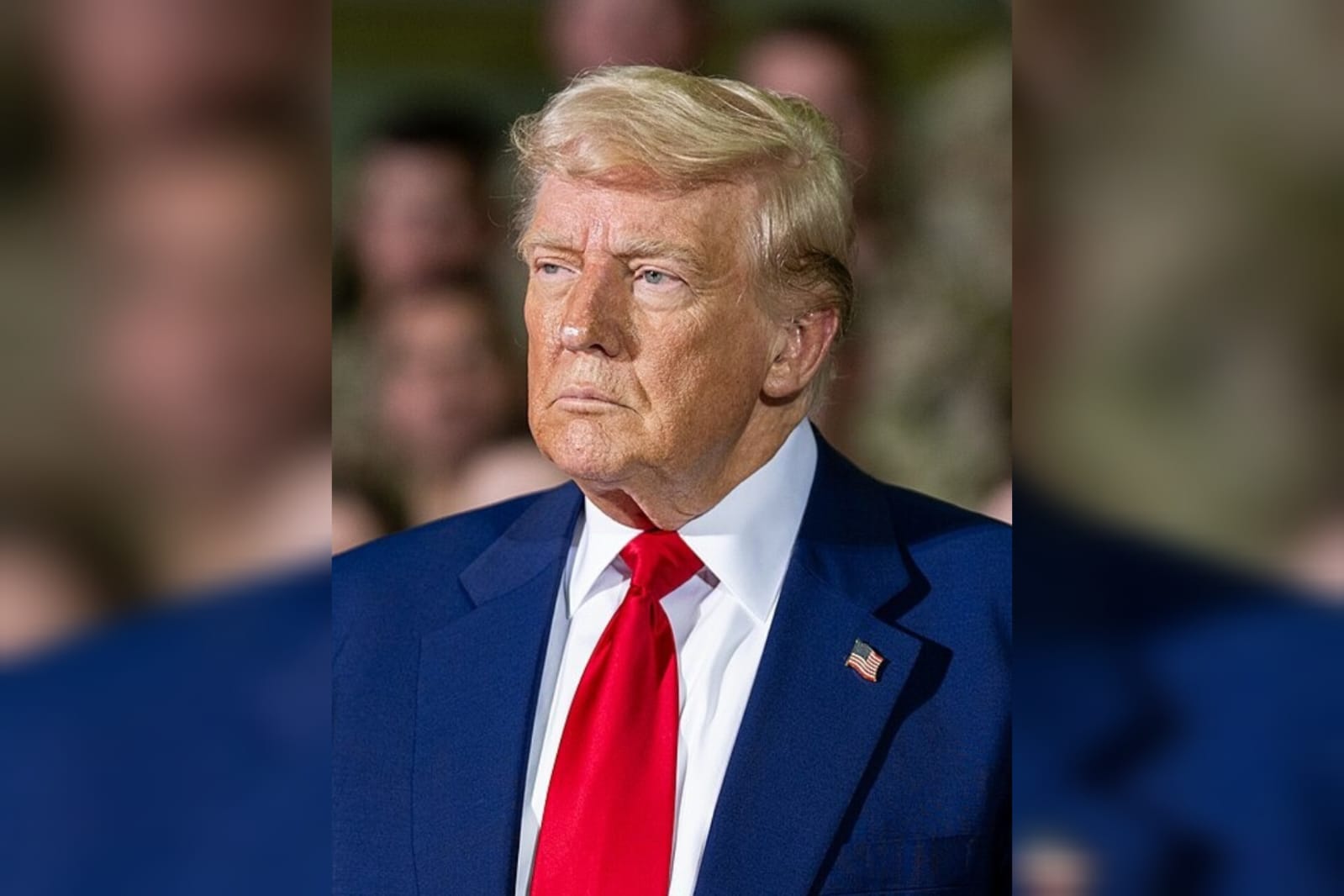
The recent memorandum of understanding (MOU) between the United States and Iran, signed by President Donald Trump, has sparked a wide range of reactions globally. While some view it as a promising step toward de-escalating tensions, critics argue that it offers substantial benefits to Tehran without ensuring stringent checks on its nuclear pursuits. Pakistan’s Prime Minister Shehbaz Sharif lauded the diplomatic effort, highlighting the agreement’s potential to reopen the Strait of Hormuz and renew discussions between the U.S. and Iran. Likewise, leaders from the G7 expressed optimism, considering it a vital opportunity to hinder Iran’s nuclear weapon development and stabilize global energy markets.
As part of the agreement, Iran has committed to reopening the Strait of Hormuz, a crucial maritime passage, while the United States will relax specific sanctions on Iranian oil exports and related financial services. These initial measures set the stage for upcoming negotiations over Iran’s nuclear program and its accumulation of highly enriched uranium, with talks expected over the next 60 days.
In Israel, the deal has been met with significant opposition. Political leaders and former officials there argue that easing economic pressure on Iran could embolden the nation without securing substantial restrictions on its nuclear activities. Some critics have also accused the Israeli government of being excluded from the negotiation process, with concerns that the agreement could exacerbate Israel’s security challenges.
Domestically, reactions in the United States are mixed. A segment of Republican lawmakers cautiously endorses the initiative, recognizing the reopening of the Strait of Hormuz and a reduction in hostilities as favorable results. However, other Republicans, alongside several Democratic leaders, criticize the accord, arguing it grants Iran economic advantages while only securing vague commitments regarding its nuclear ambitions. President Trump has hailed the agreement as a significant triumph for U.S. diplomacy, whereas Iranian officials claim it as a testament to their effective negotiation tactics.