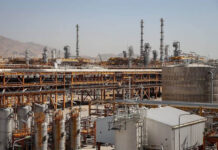

Fatih Birol, the chief of the International Energy Agency, has warned that the Iran war’s damage to Gulf energy infrastructure is so extensive that global supply cannot be quickly restored even if the conflict ends tomorrow. Speaking in Canberra, he revealed that at least 40 energy assets across the Gulf region have been severely or very severely damaged, deepening concerns about the durability of the current crisis. His remarks reinforced warnings that the world is facing an energy shock without precedent in modern history.
The IEA executive director described the crisis as the combined equivalent of the two oil shocks of the 1970s and the gas crisis triggered by Russia’s 2022 invasion of Ukraine. In raw numbers, 11 million barrels of oil per day have been removed from global supply since the conflict began on February 28, alongside 140 billion cubic metres of natural gas. These figures surpass the combined losses of all previous energy crises.
The IEA has deployed a record 400 million barrels from strategic petroleum reserves and called on governments to implement energy-saving measures including remote working, lower motorway speed limits, and reduced commercial aviation. Birol confirmed that discussions about a second wave of reserve releases were ongoing with governments across Europe, Asia, and North America. He cautioned, however, that reserve releases are a palliative measure, not a permanent solution.
The Strait of Hormuz, through which about a fifth of global oil supply passes, remains closed to commercial shipping, affecting fuel availability across multiple regions. Asia-Pacific countries have been among the hardest hit, with Japan considering a military contribution to minesweeping operations if a ceasefire is achieved. European markets have seen tightening supplies of diesel and jet fuel, while Canada and Mexico’s increased oil output may offer partial relief.
Iran responded to a 48-hour US ultimatum to reopen the strait by threatening strikes on American and allied energy and desalination infrastructure in the region. Birol urged the international community to coordinate its response and avoid the counterproductive hoarding of national fuel stocks. He concluded that the Hormuz strait must be reopened and global efforts unified if the world is to avoid even deeper economic damage.