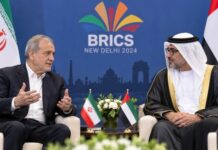
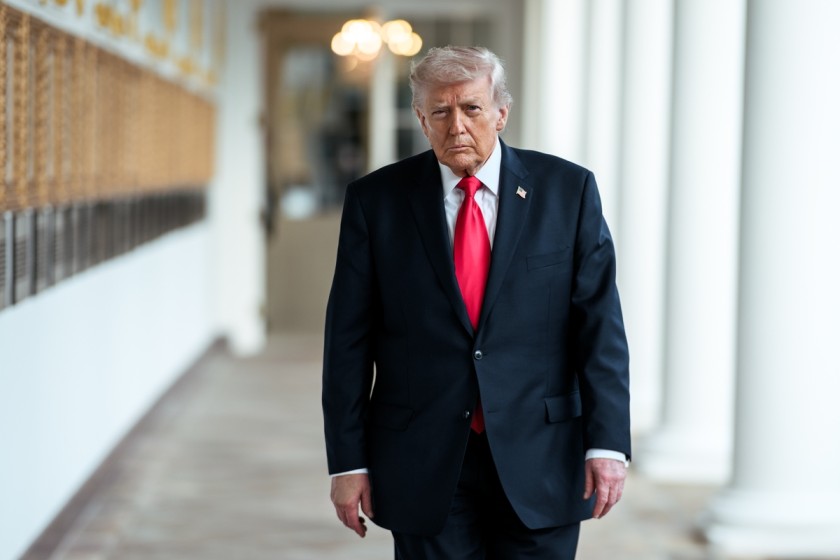
In Switzerland, diplomatic efforts between the United States and Iran have encountered initial challenges as the two nations work towards a long-term agreement on regional security and stability. The discussions, facilitated by mediators from Qatar and Pakistan, aim to build upon a recent memorandum of understanding intended to alleviate tensions in the Middle East, secure maritime routes, and address broader issues between Washington and Tehran. However, the negotiations hit a snag when Iranian delegates briefly exited the talks in response to remarks made by US President Donald Trump.
Trump’s public threats concerning Iran’s activities in the Strait of Hormuz and its alliances in the region provoked strong reactions from Iranian officials. The Iranian representatives voiced their discontent, labeling the comments as inappropriate amid ongoing diplomatic efforts. Nevertheless, behind-the-scenes negotiations persisted, with mediators diligently working to ensure both parties remained engaged in the dialogue. Iranian Foreign Minister Abbas Araghchi later commended the mediators’ roles in keeping the discussions on track, while officials from Qatar and Pakistan confirmed plans for further technical talks throughout the week.
A major focal point of the negotiations includes maintaining stability in the strategically vital Strait of Hormuz, upholding ceasefire arrangements in Lebanon, and tackling economic challenges such as sanctions and the status of frozen Iranian assets. Iran has been adamant that any enduring agreement must encompass assurances on regional security as well as relief from sanctions. Despite the temporary disruption, both nations have expressed a willingness to continue the dialogue.
US Vice President JD Vance has adopted a more diplomatic approach, expressing hope that Washington can improve its relationship with Tehran if advancements are made regarding regional stability and nuclear issues. Although disagreements persist, both sides have signaled their intention to persist with the discussions, recognizing the importance of resolving these critical issues.