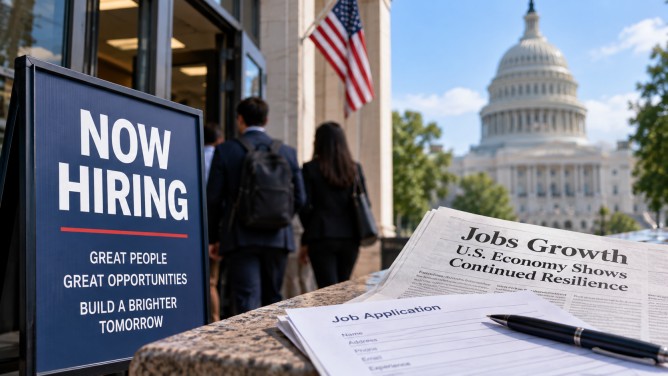
August brought a wave of job growth for the US economy, with 162,000 new jobs added, a promising sign after a sluggish summer in the labor market. Despite this uptick, the unemployment rate held steady at 4.1%. Recent months have seen significant fluctuations in job growth; March boasted an increase of 214,000 jobs, which starkly contrasts with a sharp decline to just 21,000 in July. Although August’s gains exceeded economists’ expectations of at least 50,000 new jobs, the overall picture suggests a cautious economic recovery.
In a revision of earlier data, job growth estimates for June and July were adjusted upward. June’s employment numbers were revised from 20,000 to 31,000, and July’s initial report of a 23,000-job loss was corrected to a 21,000-job gain. Despite these adjustments and the improvement in August, the labor market exhibits signs of losing steam. The private sector saw a modest increase of only 38,000 jobs in August, reflecting a conservative approach to hiring by businesses.
Economists are labeling the current labor environment as a “slow hire, slow fire” phase. This description highlights a scenario where companies are neither rapidly expanding their workforce nor engaging in significant layoffs. As of July, the number of job openings and layoffs showed little change, and the rate of workers voluntarily leaving their jobs remained stable. This stability suggests that employees might feel less confident about securing new positions.
Adding to the labor market’s challenges is the persistent rise in inflation. From February to July, annual US inflation climbed from 2.4% to 3.4%, thereby increasing the cost of living for households. Concurrently, rising bond yields have sparked concerns about the cost of borrowing. With higher Treasury yields, consumers face the prospect of more expensive mortgages, car loans, and student debt, which could further strain their finances.
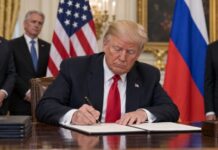
The Federal Reserve is tasked with the delicate job of balancing inflation control and employment support. While higher interest rates could help draw inflation closer to the targeted 2%, additional tightening might further slow down an already cooling labor market. Meanwhile, President Donald Trump continues to advocate for lower interest rates, arguing that cheaper borrowing costs would bolster the US economy.