
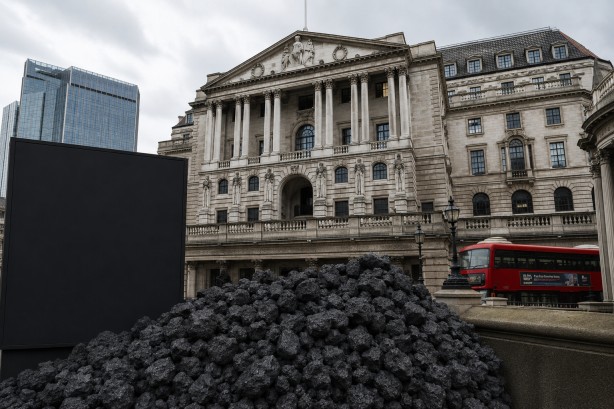
The Bank of England has taken a decisive step in its efforts to mitigate climate-related financial risks by announcing that, starting in October, it will no longer accept bonds tied to thermal coal companies as collateral in its lending operations. This decision plays a crucial role in the broader strategy to address the financial implications of climate change.
For commercial banks, including major lending institutions, bonds serve as collateral when borrowing from the central bank to facilitate daily operations and ensure smooth transaction settlements. With the new policy in place, bonds associated with thermal coal, a key fossil fuel used in power generation, will be excluded from eligibility. This shift reflects the growing understanding that companies involved in the thermal coal sector face increasing financial risks, as global efforts to transition to cleaner energy sources and achieve net-zero emissions intensify. Consequently, assets related to coal are anticipated to devalue over time.
In addition to excluding thermal coal bonds, the Bank of England’s policy allows for the application of discounts on bonds from other sectors considered vulnerable to climate risks. This measure aims to safeguard the central bank’s balance sheet from potential financial losses linked to environmental factors. Such a move has garnered support from environmental groups, who regard it as a powerful message to financial markets. It may also prompt commercial banks to reassess and potentially reduce their investments in industries known for high pollution levels.
The decision aligns with a broader global trend, as over 150 major financial institutions worldwide have already implemented restrictions on business activities linked to the thermal coal industry. Analysts point out that the ultimate impact of the Bank of England’s policy will hinge on the methods used to evaluate climate risks and whether similar initiatives will be applied to other environmentally detrimental activities in the future.