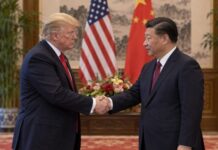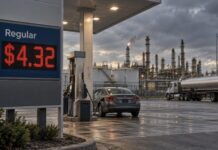
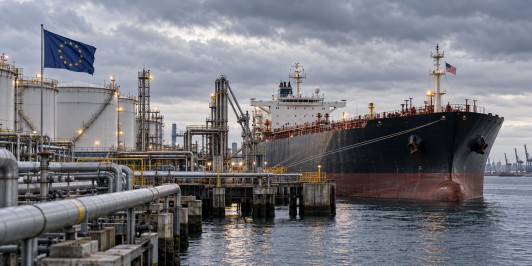
The European Union has raised concerns over a potential 90-day ban on diesel exports by the United States, reportedly under consideration by President Donald Trump. Such a move is intended to alleviate high domestic fuel prices by increasing availability within the US. However, European officials and energy market analysts warn that this ban could have adverse effects on both US and European fuel markets, potentially driving up prices globally.
Europe’s reliance on US diesel imports has grown due to disruptions in the Middle East and Russian refining capacities. US diesel shipments now form a significant portion of Europe’s imports, making the proposed export restrictions particularly concerning for the region. The European Commission emphasized the importance of dialogue between trading partners before implementing measures that have international repercussions.
Although Europe currently benefits from domestic refinery outputs and strategic reserves that buffer against immediate shortages, the absence of US diesel supplies could lead European buyers to aggressively seek alternative sources from the Middle East and India. This competition might further increase diesel prices amid current supply challenges.
The UK, in particular, could face heightened pressure due to its dependency on imported refined fuel and limited domestic refining capabilities. Should US diesel exports decrease, the UK may experience increased exposure to fluctuating international fuel prices, impacting sectors such as agriculture, logistics, and road transport.
Several European markets are already witnessing rising diesel prices due to refinery disruptions in the Gulf region and Russia. A US export ban could exacerbate these conditions, further constraining the global diesel market and intensifying competition for available supplies.
While the US aims to boost domestic fuel availability through the proposed measure, the potential repercussions could extend well beyond its borders, affecting European and global diesel markets significantly. The EU’s call for consultation underscores the interconnected nature of global energy supplies and the need for cooperative approaches to market challenges.