
Engaging in regular physical activity can offer significant health benefits beyond just enhancing fitness, according to new research that highlights its potential to lower the risk of both stroke and premature death. This study specifically explored the long-term impact of physical activity on individuals with and without atrial fibrillation (AFib), a prevalent heart rhythm disorder characterized by an irregular heartbeat. By tracking participants over an average period of 13.5 years, researchers aimed to understand the relationship between varying levels of physical activity and risks associated with stroke and overall mortality.
The results of the study underscore the value of even minimal physical activity in promoting health. Participants who engaged in physical activities exhibited up to a 19% reduced risk of stroke and a 22% lower risk of death from any cause compared to those with less active lifestyles. This suggests that incorporating some degree of physical movement into daily routines can yield substantial health advantages.
For individuals with atrial fibrillation, the benefits of staying active appear even more pronounced. The study found that increased physical activity correlates with longer life expectancy among those with AFib. Depending on their activity levels, these individuals could expect to gain between 0.50 and 1.15 additional years of life. Specifically, those engaging in low levels of activity might gain about 0.50 years, while moderate activity could add around 0.66 years, and higher levels of activity might extend life expectancy by up to 1.15 years. This is particularly relevant as AFib can elevate the risk of blood clots and strokes, making cardiovascular health a critical focus for those affected.
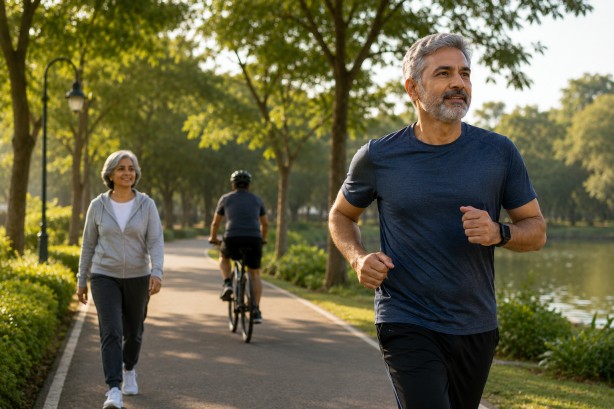
Importantly, the research emphasizes that physical activity does not necessitate intense exercise regimens or endurance sports. Activities such as walking, cycling, swimming, and even household chores can all contribute to a more active lifestyle. The central message is to minimize prolonged periods of inactivity and to gradually introduce more movement into everyday life.
Overall, the study reinforces a key health principle: any physical activity is preferable to none, and increasing activity levels can offer additional long-term health and longevity benefits. By promoting a more active lifestyle, individuals can significantly improve their health outcomes, regardless of the intensity of the activities they choose to engage in.