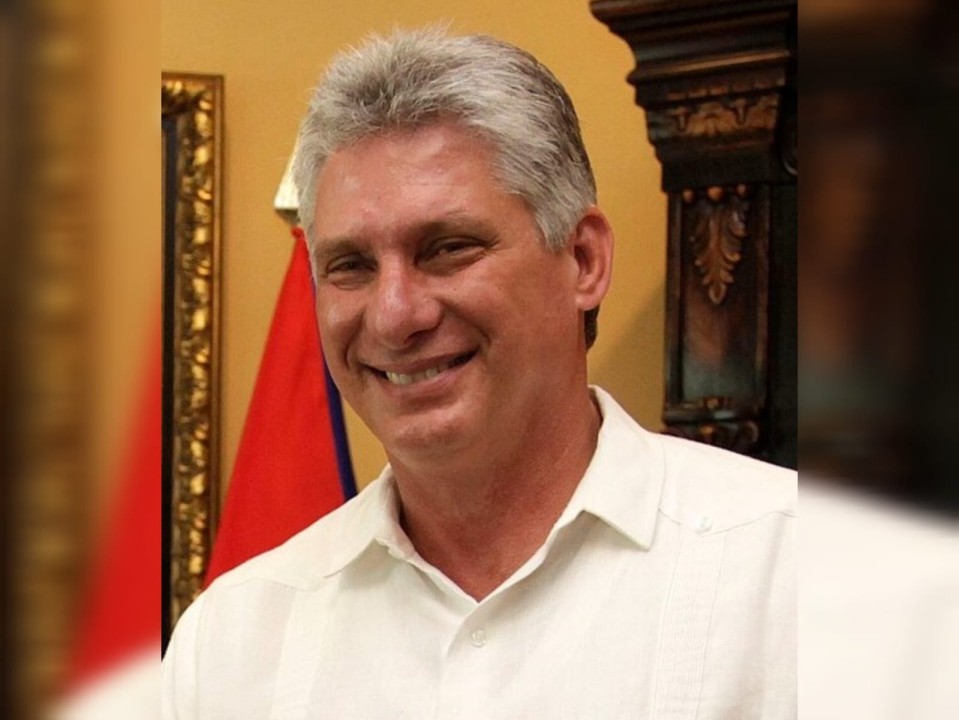
The United States has issued a fresh wave of economic sanctions aimed at top Cuban officials, including President Miguel Díaz-Canel and his family, as well as members of the Castro family. This move is part of a broader strategy to apply heightened pressure on the Cuban regime. The sanctions target entities connected to Cuba’s military and state-run organizations, notably the Ministry of the Revolutionary Armed Forces and various related institutions. These measures also extend to those affiliated with former President Raúl Castro, who remains a significant figure in Cuban politics despite not holding a formal position in the government.
US authorities have articulated that the aim of these sanctions is to exert increased economic and diplomatic pressure on Cuba’s leadership. US Secretary of State Marco Rubio emphasized that entities or individuals who provide support or services to the sanctioned groups could also be subject to penalties. This includes potential repercussions for foreign banks and international corporations that engage with the targeted Cuban entities.
This development is another chapter in the ongoing US-Cuba tensions, characterized by longstanding economic embargoes and a deteriorating bilateral relationship. US officials have accused the Cuban government of engaging in political repression and interfering in regional matters. In turn, Cuban authorities have consistently blamed US sanctions for exacerbating the island’s economic woes.
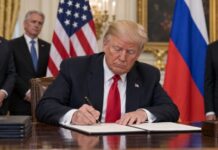
The latest sanctions are part of a wider approach under the administration of President Donald Trump, who has increased economic and political pressure not only on Cuba but also on other countries within the region. This approach marks a departure from attempts at rapprochement in previous years, further straining the diplomatic ties between Washington and Havana.