In a turn of events that impacted global markets, oil prices dropped while stock markets experienced a rise following President Donald Trump’s announcement regarding the easing of tensions with Iran. Trump indicated that if Iran agreed to a deal with Washington, the ongoing conflict would cease, and the strategic Strait of Hormuz, critical for global oil transport, would be accessible to all, including Iran. This statement was made public through Trump’s social media, where he also warned of intensified military actions if Tehran failed to reach an agreement.
The backdrop to this development involves the “Project Freedom” operation initiated by the U.S., aimed at ensuring safe passage through the Strait of Hormuz, which had been under Iranian blockade since February. This strait is a vital channel for about 20% of the world’s oil supply. The blockade had led to a surge in oil prices and triggered a global energy crisis. Trump announced a temporary halt to this operation to facilitate negotiations with Iran, although he emphasized that the blockade on Iranian ports would persist. In response, Iran’s Revolutionary Guards’ Navy indicated new measures to ensure safe passage, marking their first response to the U.S. pause in operations.
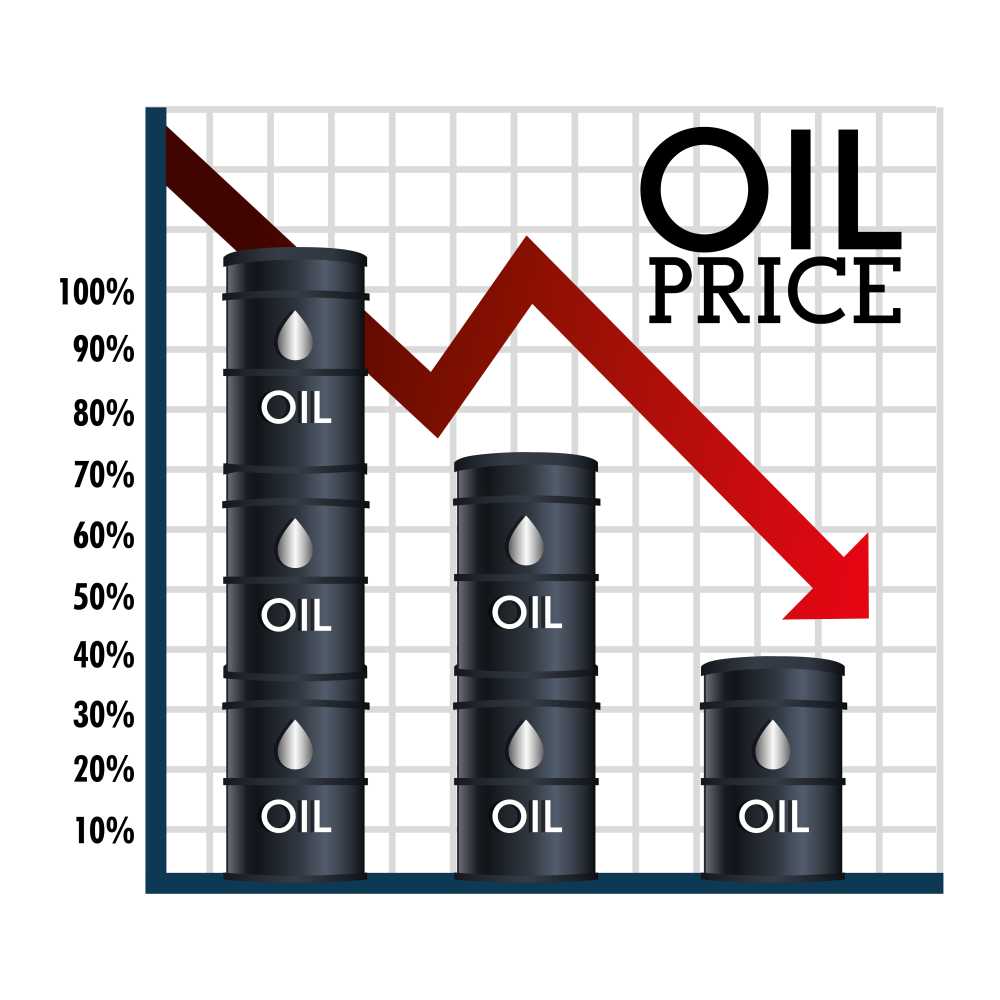
As news of potential diplomatic progress emerged, the price of Brent crude oil, which had surged earlier due to escalating tensions in the Middle East, saw a significant decline. It plummeted by 11%, reaching as low as $97 per barrel, marking its first dip below $100 since April 22. This also led to a drop in wholesale gas prices and boosted airline stocks, which benefited from improved expectations for international travel. Reports suggested that the White House was nearing a memorandum of understanding with Iran, aimed at setting a framework for future nuclear discussions, though Iran dismissed these reports as merely an “American wishlist.”
Despite the initial fall, oil prices later regained some ground, trading down by 7.3% at $101.83 per barrel after Iran downplayed the likelihood of an imminent deal. This volatility in oil prices came after a previous spike to $126 per barrel, driven by concerns over the U.S. blockade and stalled peace negotiations. The ongoing uncertainty continues to influence market movements, reflecting the complex dynamics of geopolitical tensions and energy supply chains.
European stock markets responded positively to the potential de-escalation, with significant gains seen across major indices. The UK’s FTSE 100 increased by 2%, France’s Cac 40 surged by 3%, and Germany’s Dax rose by 2.1%. Meanwhile, the MSCI All-Country World Index achieved a new record, rising by 1.6%, alongside notable increases in its emerging markets benchmark and the broadest index of Asia Pacific shares outside Japan, which climbed by 2.5%. These developments underscore the interconnected nature of global markets and the impact of geopolitical developments on economic indicators.