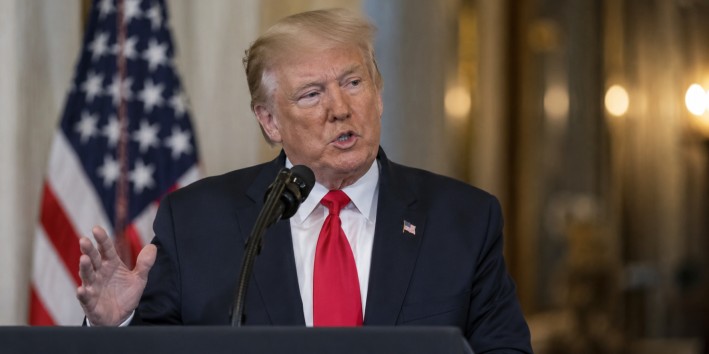
Tensions between Washington and Havana may see a new phase as U.S. President Donald Trump expressed optimism about resolving issues through negotiations rather than military interventions. On September 26, addressing reporters, Trump indicated that he does not foresee the necessity for military action in Cuba, hinting at the potential for achieving an agreement between the two nations.
Trump’s remarks come shortly after his speech at the United Nations General Assembly, where he criticized the Cuban government and predicted a future where freedom would prevail on the island. These comments led to a dramatic response from the Cuban delegation, who exited the assembly hall during his address.
The U.S. administration, while maintaining pressure on Cuba, is now emphasizing diplomatic engagements, with Secretary of State Marco Rubio reportedly involved in the ongoing negotiations. Trump’s administration has been vocal about its desire to support Cuba, aiming to improve bilateral relations amidst the existing high tensions.
In his UN address, Trump characterized the Cuban government as failing, underscoring his administration’s intent to implement significant changes to the political situation in Cuba. Despite the strong rhetoric, his latest statements suggest a preference for resolving disputes through dialogue rather than confrontation.
This development marks a critical moment in U.S.-Cuba relations, suggesting a potential shift in strategy that could redefine the future interactions between the two countries. The outcome of these negotiations remains uncertain, but the emphasis on diplomacy over military action signals a noteworthy pivot in the administration’s approach.