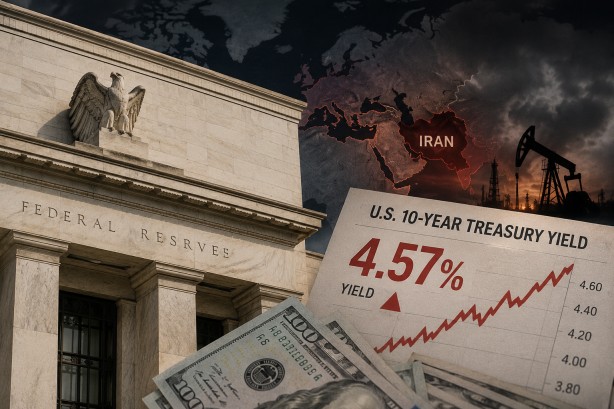
The cost of borrowing for the United States government has surged to levels not seen since 2007. This comes on the heels of the Federal Reserve’s decision to maintain its current interest rate, a move reflecting ongoing concerns about persistent inflation. The decision has rattled investors, resulting in significant drops in major U.S. stock indexes.
Investor anxiety intensified as the U.S. initiated new military strikes against Iranian targets. This action followed a series of attacks on American forces stationed in Jordan, further escalating tension in the already volatile Middle East. Such developments have driven Brent crude oil prices to exceed $88 per barrel, sparking fears about increased energy costs and their potential to exacerbate global inflation.
The interplay of continued high-interest rates, geopolitical instability, and surging oil prices has put additional strain on financial markets. Analysts warn that these factors collectively may threaten the global economic outlook, as they amplify existing uncertainties and economic pressures.
With the Federal Reserve remaining focused on combating inflation, the unchanged interest rate reflects a cautious approach amid the current economic landscape. However, the resulting market reactions underline the challenges investors face in navigating a complex web of economic and geopolitical issues.