
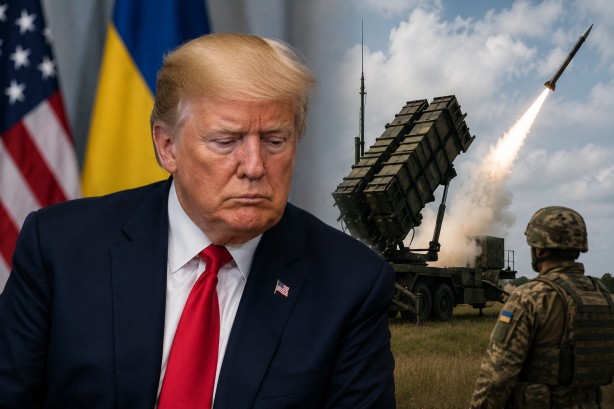
During a cabinet meeting at Camp David, President Donald Trump appeared to retreat from his previous proposition that Ukraine might domestically produce Patriot air defense interceptors. He noted that while the transfer of such advanced military technology is under discussion, it has yet to receive approval. Trump’s recent statements reflect a shift from his earlier discussions with Ukrainian President Volodymyr Zelenskyy, where the possibility of local production of Patriot systems was suggested as a potential collaboration.
President Trump emphasized the challenges associated with sharing Patriot missile technology, describing it as “a hard thing to give away.” He expressed concerns about the potential for advanced defense capabilities to be used against the United States in the future. This new stance signifies a departure from the initial optimism surrounding technological cooperation between the U.S. and Ukraine.
Instead, Trump highlighted the United States’ intent to boost domestic production of Patriot and Tomahawk missile systems. This strategic decision aligns with ongoing efforts to bolster national defenses amid global shortages of advanced interceptor missiles and unfolding military challenges. The focus on enhancing domestic capacity reflects the administration’s prioritization of U.S. defense interests.
The shift in policy is likely to cause unease in Kyiv, which has consistently advocated for increased deliveries of Patriot systems. Additionally, Ukrainian officials have pushed for the capability to manufacture these systems locally to fortify their air defense capabilities. The decision by the United States to concentrate on domestic production instead of facilitating local manufacturing in Ukraine may impact the ongoing dialogue between the two nations regarding military cooperation.