
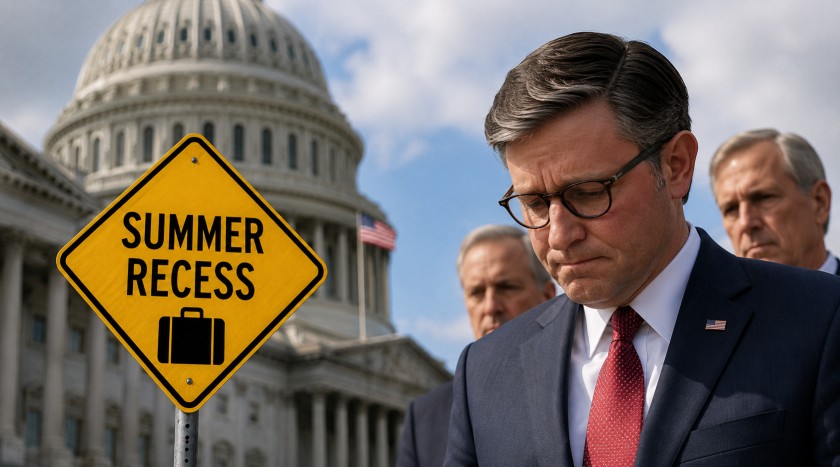
As the summer recess begins, U.S. House Republicans have wrapped up their recent legislative session with significant developments, notably concerning defense expenditure and voting reform proposals. These legislative moves come amidst mounting political pressure as the November midterm elections draw near. While Republican leaders tout these legislative strides as victories, they also face internal discord. This was highlighted when some Republican members sided with Democrats to pass a symbolic resolution urging the withdrawal of U.S. troops from combat roles in Iran, revealing fissures within the party.
The defense spending proposal and the electoral reform initiatives now find themselves in a precarious position. As these bills head to the Senate, they encounter an uncertain future. Republican leaders in the Senate have suggested that they might postpone any decision on these matters as broader negotiations on the national budget continue to unfold.
On the other side of the aisle, Democrats are poised to leverage voter anxieties related to healthcare, economic conditions, and military expenditures as they strive to reclaim their legislative momentum. Their strategy hinges on addressing these concerns to garner support in the upcoming elections.
Meanwhile, Republicans are steadfast in their narrative that their policies bolster the economy and national security. They aim to maintain this narrative as a cornerstone of their campaign strategy, setting the stage for a fiercely competitive midterm election season.