
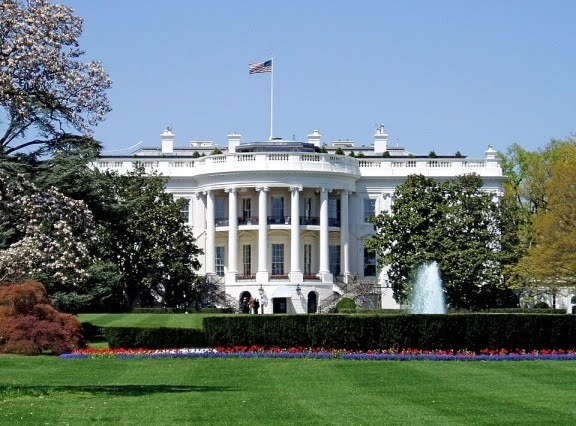
A recent initiative from the White House has sparked apprehension among researchers, universities, and nonprofit entities due to its proposal for stricter oversight on federal grants. The proposed regulations stipulate that all grants funded by federal resources must align with the president’s policy goals and demonstrate adherence to what the administration refers to as “American values.” The administration contends that past funding programs often promoted ideological agendas that did not resonate with the majority of Americans, thus leading to inefficient utilization of taxpayer dollars. If implemented, this proposal would grant political appointees enhanced power to review, adjust, or discontinue grants that are perceived as not aligning with national interests.
Opponents of the proposal caution that such changes could undermine the established peer-review system traditionally used to assess scientific and academic research proposals. There is concern among researchers that funding decisions might become swayed by political factors, which could impact studies focusing on diversity, equity, gender issues, and other sensitive subjects. Furthermore, the proposal includes restrictions on the use of federal funds for certain activities, such as international collaborations and research assessing discriminatory impacts on protected groups. Grant recipients may also be required to fulfill additional reporting obligations, including detailing long-term plans for conferences and research activities.
Many in the scientific and academic communities argue that these proposed changes could stifle innovation, impede academic freedom, and diminish the United States’ competitiveness in the global research arena. They emphasize that the traditional peer-review system is crucial for maintaining the integrity and quality of research. However, supporters of the reforms argue that these measures would ensure that federal funds are allocated in ways that better reflect national priorities and the broader public interest.
The proposed regulations are currently navigating through the federal rule-making process. If they are finalized, the new rules could be implemented later this year. This development has prompted significant debate among stakeholders who are concerned about the potential implications for the future of scientific and academic research in the country.