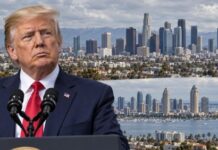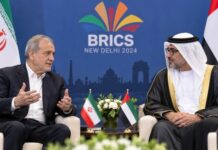
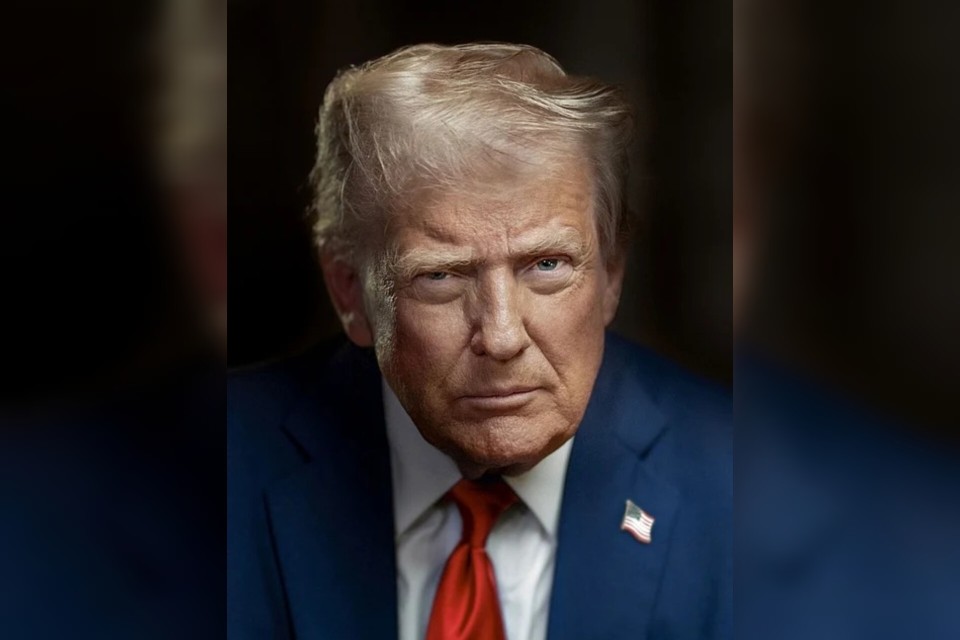
The United States is reportedly nearing a peace agreement with Iran, according to President Donald Trump. After extensive dialogues with leaders from the Middle East, Pakistan, and Israel, Trump announced that a potential understanding is close to being finalized. This agreement aims to reopen the Strait of Hormuz and work towards resolving the conflict that emerged earlier this year.
Trump described the current state of negotiations as “largely negotiated,” with only minor details pending before a formal declaration is made. The involved discussions are said to have included key figures from countries such as Saudi Arabia, Qatar, Turkey, Egypt, the UAE, Jordan, Bahrain, and notably, Israeli Prime Minister Benjamin Netanyahu. These talks are part of a concerted effort to achieve a peaceful resolution in the region.
Despite the promising outlook, Iranian officials have expressed disagreement with some of Trump’s claims, particularly concerning the Strait of Hormuz. Iranian sources have emphasized that Iran intends to maintain control over this strategic waterway, including decision-making regarding shipping lanes and permits. This stance underscores the ongoing complexities in reaching a comprehensive agreement.
Pakistani Prime Minister Shehbaz Sharif has expressed optimism about the diplomatic advances, indicating Pakistan’s willingness to facilitate further dialogue between the U.S. and Iran. General Syed Asim Munir, Pakistan’s army chief, has reportedly been instrumental in these mediation efforts, having recently engaged with Iranian leaders in Tehran to help move negotiations forward.
Details of a draft proposal suggest the inclusion of a 60-day ceasefire extension, the opening of the Strait of Hormuz without any tolls, and a relaxation of limitations on Iranian oil exports. Furthermore, the draft includes the possibility of renewed discussions on Iran’s nuclear program. In exchange, the United States might consider lifting certain restrictions on Iranian ports and releasing frozen Iranian assets, as part of a broader peace settlement. While these developments have sparked a debate in Washington, with some viewing the agreement as a means to prevent further conflict and economic instability, others, particularly critics within the Republican Party, fear it could bolster Iran’s influence in the region. President Trump has cautioned that military action remains a possibility if the negotiations do not succeed.