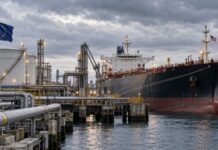
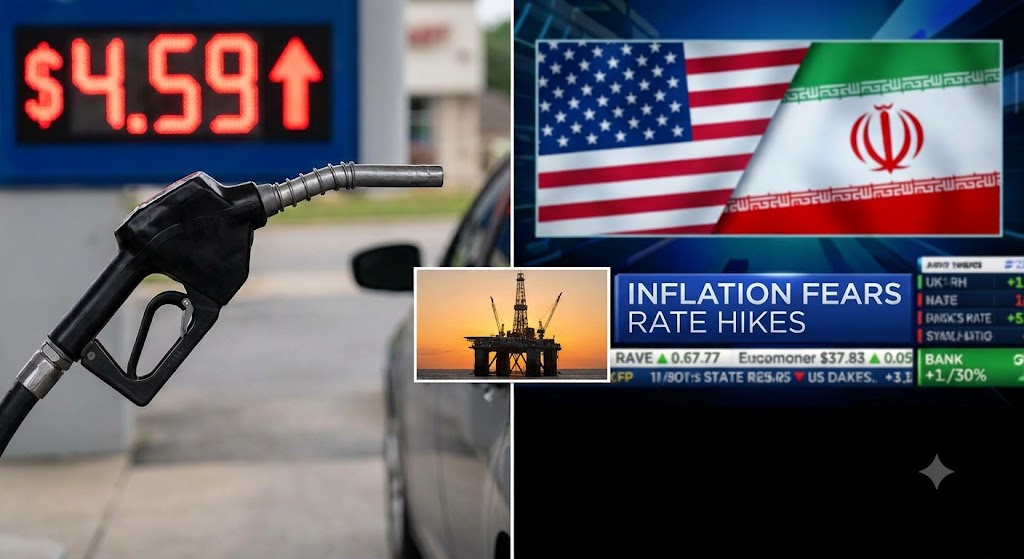
Heightened military tensions between the United States and Iran have caused a surge in global oil and gas prices, raising alarms over potential impacts on energy supplies and inflation. The price of Brent crude briefly soared to its highest in over a month, though it later decreased after President Donald Trump decided against implementing a proposed 20% fee on ships navigating the Strait of Hormuz.
This spike in energy costs has intensified speculation that central banks worldwide, such as the Bank of England and the European Central Bank, might consider raising interest rates later in the year to combat inflationary pressures. In the financial markets, bond yields increased, and European stocks initially declined before rebounding as fears over the shipping fee subsided.
Analysts are warning that the persistent instability in the Middle East could lead to ongoing volatility in energy markets, which in turn could affect global inflation rates and monetary policy decisions in the upcoming months.
While the immediate threat of additional fees on shipping through the crucial Strait of Hormuz has been averted, the underlying geopolitical tensions remain a point of concern for global markets. The region’s significance in global energy distribution underscores the potential for broad economic repercussions should hostilities escalate further.