The United States recently reignited military operations against Iranian targets, ending a brief lull in hostilities and heightening fears of an expanded conflict in the Middle East. The renewed strikes were initiated after Iran launched an attack on a U.S. military base in Jordan, home to American troops. In the wake of the Iranian aggression, President Donald Trump issued a stern warning, promising a “very hard” U.S. response to Tehran’s provocations.
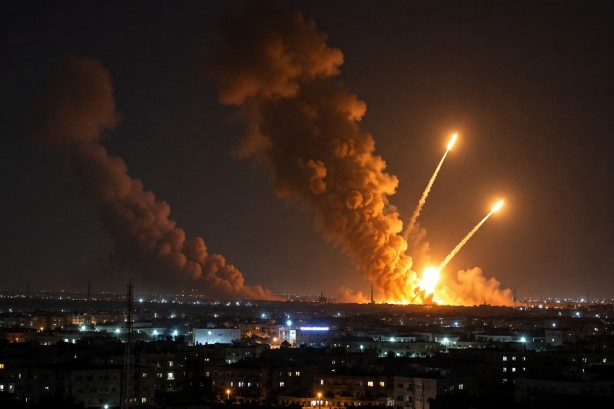
U.S. Central Command revealed that American forces executed a series of assaults over a two-hour window, focusing on numerous sites affiliated with Iran’s Revolutionary Guard Corps. These operations targeted military command centers, missile and drone facilities, as well as coastal defense and surveillance installations. Iranian state media reported explosions on Qeshm Island near the strategic Strait of Hormuz and in Khuzestan province, with at least two injuries reported as a result of the attacks.
This escalation in military actions follows previous U.S. strikes on Iran-backed militias in Iraq, which reportedly resulted in the deaths of several fighters and Iranian advisors. The intensifying conflict has sparked greater concern about the possibility of it spreading throughout the region. At the same time, diplomatic efforts by international mediators to resume negotiations between the United States and Iran have yet to make any substantial progress.
Global energy markets have responded sharply to the increased tensions, with Brent crude oil prices surging by more than 7 percent. This rise reflects growing concerns over potential disruptions to oil supplies through the Middle East’s critical shipping channels. The situation remains volatile as the international community watches closely for any further developments in this escalating conflict.