
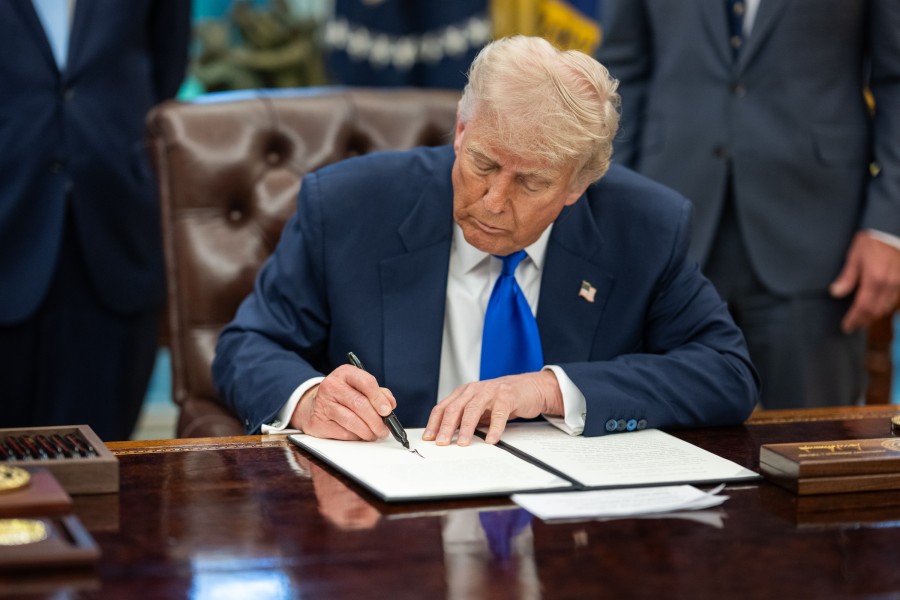
Amid escalating tensions, U.S. President Donald Trump is under fire from both sides of the political aisle over his initial deal with Iran. Despite Vice President JD Vance’s optimistic remarks about the ongoing peace talks, Trump has warned of potential military action against Iran if it fails to curb Hezbollah’s influence in Lebanon. This threat surfaced during direct negotiations between U.S. and Iranian representatives in Switzerland, aimed at securing a broader peace accord.
Iranian state media reported a temporary walkout by Iran’s delegation following Trump’s comments, though mediation efforts reportedly kept the discussions alive. Criticism from American lawmakers is mounting, with figures like Republican Senator John Cornyn expressing concern that reducing economic sanctions could enable Iran to bolster its military and restart sensitive nuclear projects. On the Democratic front, former National Security Adviser Susan Rice has lambasted the framework for being overly accommodating to Tehran, citing major concessions like sanction relief before a comprehensive nuclear agreement is established.
Senator Cory Booker joined the chorus of criticism, pointing out that Iran appears to be reaping substantial economic rewards without making sufficient reciprocal commitments. The agreement purportedly allows Iran more freedom to sell oil and access previously restricted financial assets, which supporters argue are essential for fostering diplomatic progress and easing regional tensions.
Vice President Vance, however, expressed optimism after the first round of talks in Switzerland, noting that significant progress had already been made and anticipating further breakthroughs. These discussions are part of a broader effort to stabilize the region, focusing on alleviating tensions in Lebanon and ensuring the uninterrupted flow of energy through the vital Strait of Hormuz.
Meanwhile, U.S. Energy Secretary Chris Wright defended the administration’s strategy, asserting that recent military and diplomatic shifts have weakened Iran’s negotiating position, presenting an opportunity for a more advantageous long-term settlement. Despite reported progress, the agreement remains under intense scrutiny in Washington, where skepticism persists about the concessions to Tehran and their potential impact on regional security.